Frequently Asked Questions
What is the purpose of a pergola in a backyard?
The purpose of a pergola in a backyard is to create an inviting outdoor space that enhances aesthetics while providing partial shelter and support for climbing plants, making it ideal for relaxation and entertaining.
What is the difference between a trellis and a pergola?
The difference between a trellis and a pergola lies in their structure and purpose. A trellis is a vertical framework for climbing plants, while a pergola is a larger outdoor structure providing shade and support, often with an open roof design.
What is the purpose of a trellis in a garden?
The purpose of a trellis in a garden is to support climbing plants, enhance vertical space, and create an aesthetic focal point, while also improving air circulation and sunlight exposure for healthier growth.
Can I use a pergola as a shade structure?
A pergola can be used as a shade structure, although it provides partial shade due to its open design. To enhance its shading capabilities, consider adding climbing plants or fabric covers for increased protection from the sun.
Do pergolas provide shade or sun protection?
Pergolas can provide some shade and sun protection, but their effectiveness varies based on design and materials. While they create a partially shaded area, additional elements like climbing plants or fabric can enhance their ability to shield from direct sunlight.
Can pergolas be used for outdoor seating areas?
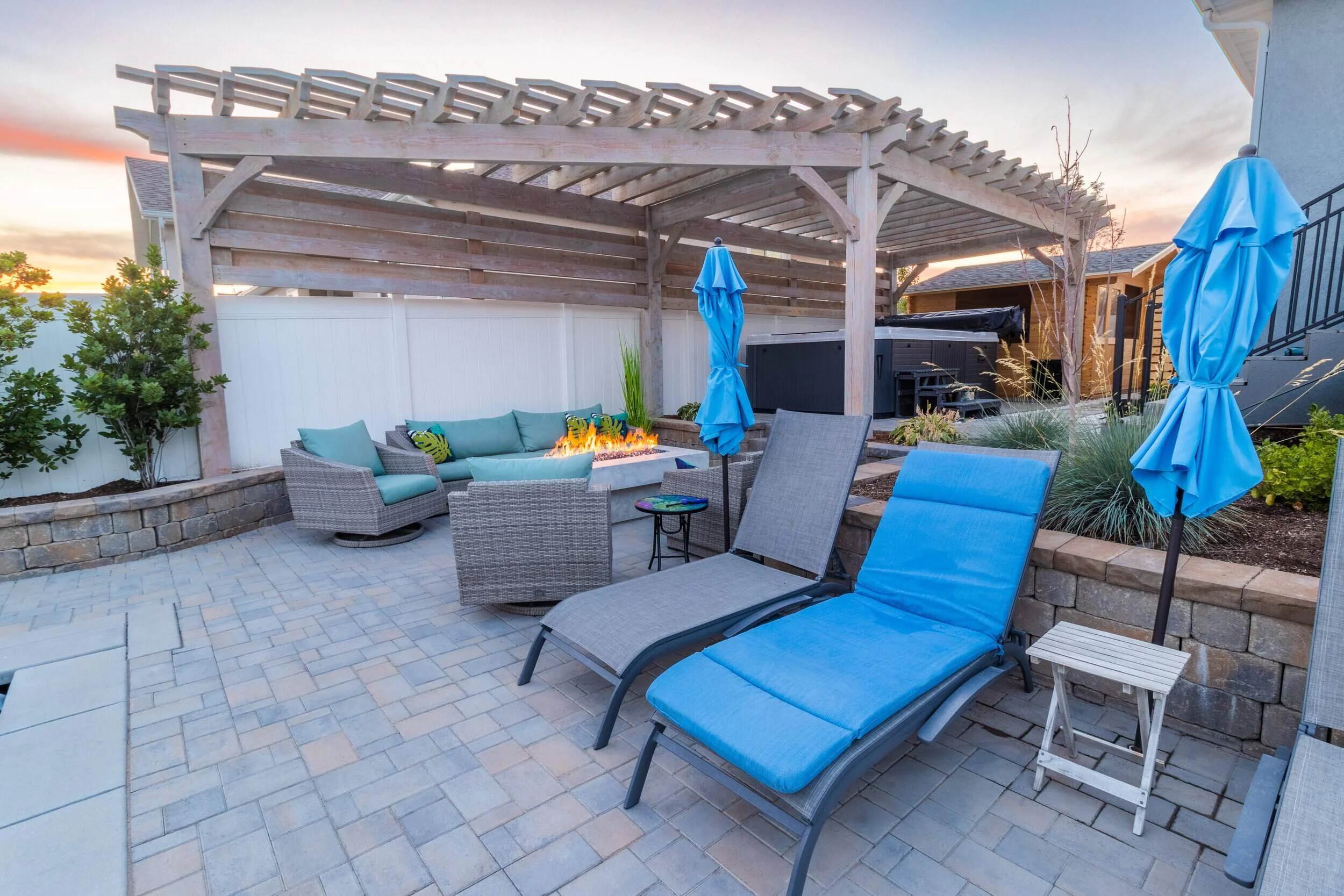
Pergolas can effectively enhance outdoor seating areas by providing shade and creating a defined space for relaxation. Their design allows for customization, making them a stylish addition to any outdoor setting.
How do pergolas enhance outdoor aesthetics?
Pergolas enhance outdoor aesthetics by adding structure and elegance to outdoor spaces. Their open design invites natural light while providing a visually appealing framework for climbing plants, creating a harmonious blend of nature and architecture.
What materials are best for pergola construction?
The best materials for pergola construction include durable options like cedar, redwood, and pressure-treated lumber, as well as low-maintenance alternatives such as vinyl and aluminum. Each material offers unique benefits in terms of aesthetics and longevity.
Can trellises support heavy climbing plants?
Trellises can indeed support heavy climbing plants when designed and constructed with adequate strength and stability. Choosing durable materials and ensuring proper installation will enhance their ability to bear the weight of vigorous growth.
How to integrate trellises with pergolas effectively?
Integrating trellises with pergolas effectively enhances outdoor spaces by creating layered visual interest and functional support for climbing plants. Position trellises alongside or atop pergolas to maximize shade while allowing for beautiful greenery to thrive.
What styles of pergolas are most popular?
The most popular styles of pergolas include traditional, modern, and rustic designs. Each style enhances outdoor spaces uniquely, offering various aesthetics and functionalities to complement your home and landscape.
How do I maintain my pergolas appearance?
Maintaining your pergola's appearance involves regular cleaning to remove dirt and debris, applying protective sealants to prevent weather damage, and inspecting for any signs of wear or damage to ensure longevity and aesthetic appeal.
What plants thrive best on trellises?
The plants that thrive best on trellises include climbing varieties such as sweet peas, clematis, and climbing roses, as well as fruiting plants like cucumbers and pole beans, which benefit from vertical support and increased sunlight exposure.
Can I customize the design of a pergola?
The customization of a pergola's design is possible. At Wright Timberframe, we work closely with you to create a unique structure that meets your aesthetic preferences and functional needs.
What are the benefits of using wood for pergolas?
The benefits of using wood for pergolas are numerous. Wood offers natural beauty, durability, and versatility, allowing for a warm aesthetic that enhances outdoor spaces while providing structural integrity and customization options tailored to your design preferences.
How do trellises improve garden functionality?
Trellises improve garden functionality by providing vertical support for climbing plants, maximizing space, enhancing air circulation, and increasing sunlight exposure. This not only boosts plant health but also creates visually appealing garden structures.
What is the ideal height for a pergola?
The ideal height for a pergola typically ranges from 8 to 10 feet. This height allows for comfortable clearance while enhancing the aesthetics and functionality of your outdoor space.
How can I add lighting to my pergola?
Adding lighting to your pergola can enhance its ambiance and functionality. Consider string lights, lanterns, or recessed lighting to create an inviting atmosphere for outdoor gatherings.
What are common mistakes when building a pergola?
Common mistakes when building a pergola include inadequate planning, neglecting local building codes, using poor-quality materials, and failing to consider the pergola's placement for optimal sunlight and shade. Proper design and execution are essential for durability and functionality.
How do I choose the right trellis design?
Choosing the right trellis design involves considering your outdoor space's style, the plants you wish to support, and the desired functionality. Opt for a design that complements your pergola and enhances the overall aesthetic of your garden.